The Netherlands may be small, but it’s bursting with charm. From tulip fields to windmill villages, from cutting-edge design to historic towns, every city has its unique character. On this journey, I departed from Rotterdam, then passed through Eindhoven and Groningen before finally landing in Amsterdam. Although the Dutch rail system is highly efficient, flying between domestic cities offers a different kind of experience. I will detail flight options, airport experiences, security procedures, ground transportation, airfares, and flight frequencies for these routes. Hopefully this guide will be helpful to those of you who are considering air travel within the Netherlands.
I. From Rotterdam to Amsterdam — Where Efficiency Meets Design
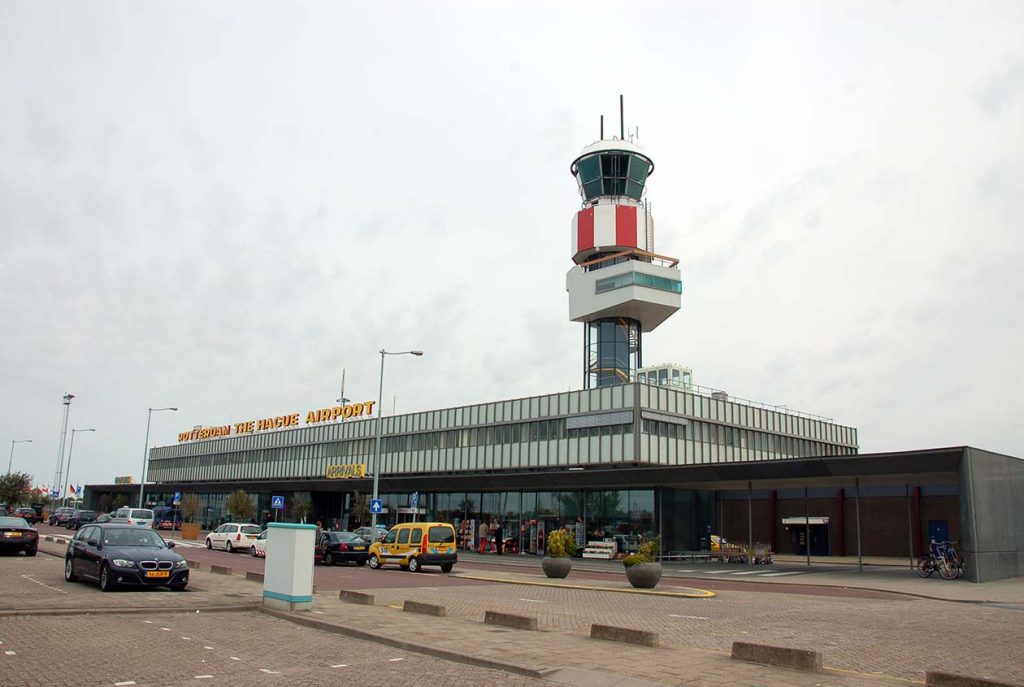
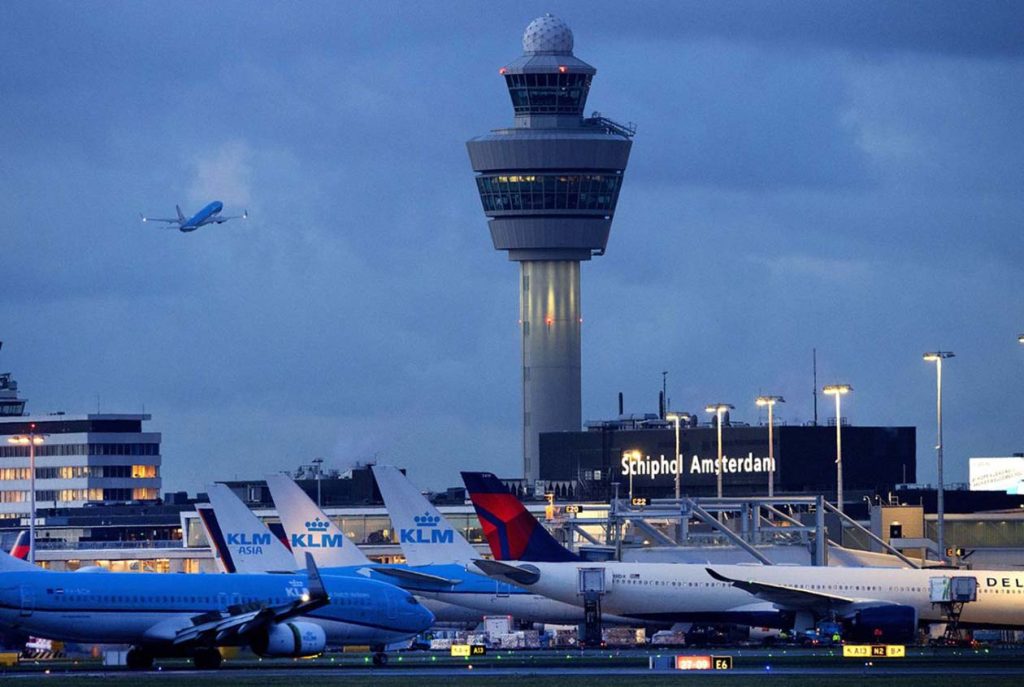
Rotterdam, the second-largest city in the Netherlands, is famous not only for its cutting-edge architecture and Europe’s largest port but also for its youthful, creative energy. Initially, I planned to take the train to Amsterdam—a fast and reliable journey of just 40 minutes. However, I was eager to explore alternate modes of travel and experience what it’s like to fly such a short distance domestically in the Netherlands. So, I opted for a flight from Rotterdam The Hague Airport to Amsterdam Schiphol Airport. While not a common route, it turned out to be a unique and memorable short-haul experience that allowed me to view the country’s patchwork landscapes from above.
1. Rotterdam The Hague Airport: Streamlined and Considerate
Rotterdam The Hague Airport is a small yet efficient regional hub that surprised me with its thoughtful layout and traveler-friendly amenities. Unlike larger international airports, where long queues and complex terminal transfers are the norm, this airport’s compact structure makes navigation a breeze. Security lines were short, even during the early morning rush, and the staff maintained a cheerful, welcoming attitude throughout the check-in and boarding process. Most gates are accessible within five minutes of the entrance, which adds to the seamless experience.
The departure lounge is simple but sufficient, featuring a couple of cozy cafes, snack bars with local treats like stroopwafels, a small bookstore, and even a rooftop observation deck. From there, I enjoyed watching aircraft taxiing while glimpsing Rotterdam’s skyline and distant port cranes. My 9 a.m. flight with Transavia departed punctually and lasted just 30 minutes. The flight was so brief that I barely had time to open my book before the descent began—truly a “blink and you’ll miss it” journey.
2. Flight Options and Fare Overview
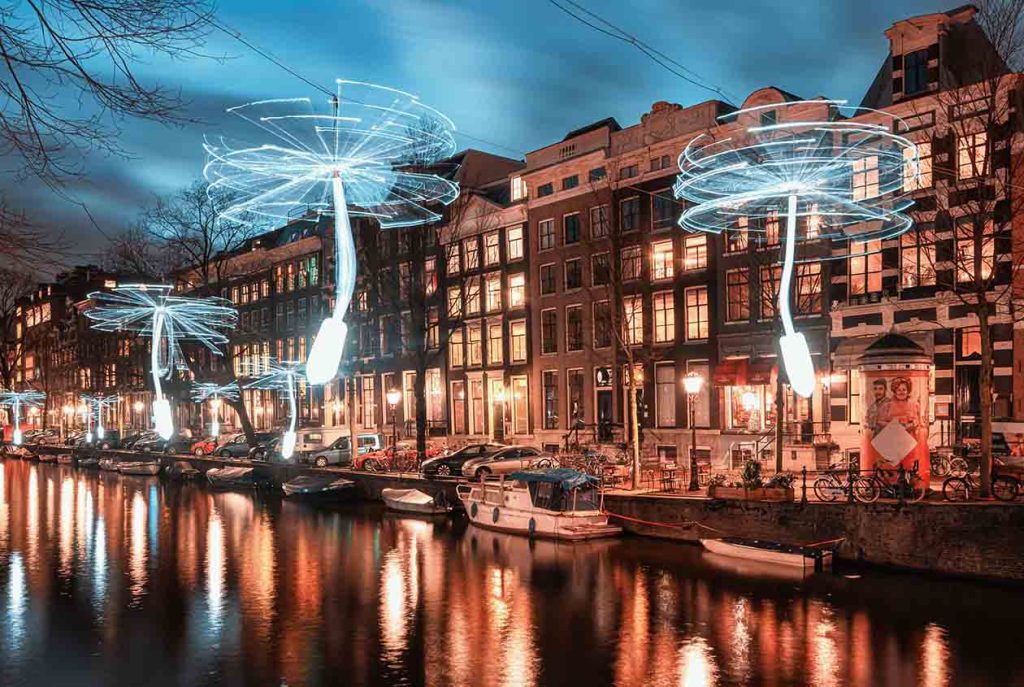
Direct flights between Rotterdam and Amsterdam are limited due to the country’s compact size and efficient rail network. However, regional connector flights or seasonal charters—especially around high-demand events—do exist. Airlines like Transavia occasionally operate these short routes to accommodate peak travel times, such as during King’s Day celebrations or the Amsterdam Light Festival.
Ticket prices generally range from €40 to €70 for one-way fares, depending on whether you include extras like checked baggage or preferred seating. It’s important to note that these flights are not daily and may only appear seasonally or as part of charter packages, so booking in advance and checking flight schedules during special events is key. While not the most economical option compared to the train, flying offers a unique vantage point and a time-efficient alternative, especially if connecting to international flights via Schiphol.
II. From Eindhoven to Amsterdam — Where Innovation Meets Heritage
Eindhoven is often seen as a tech-forward city and is the birthplace of electronics giant Philips. It was one of the stops I was most excited about, not only for its high-tech vibe and design-focused culture but also because it offered a contrast to the more traditional charm of other Dutch cities. From this innovative hub, I took a lesser-known but particularly intriguing domestic flight route to Amsterdam, operated by KLM Cityhopper, KLM’s regional affiliate. The flight took about 45 minutes—short but memorable, especially considering the seamless transfer it offered to international flights from Schiphol Airport.
1. Eindhoven Airport: Clean, Compact, and Efficient
Eindhoven Airport is one of the cleanest and most organized small airports I’ve visited in Europe. Despite its relatively modest size, it feels modern and thoughtfully designed. The gates are well-marked, with clear signage in Dutch and English, and the layout makes navigating the terminal quick and easy. Since the flight was operated by KLM’s regional partner, my baggage was seamlessly checked through to Amsterdam, which was a huge convenience. The terminal offers self-service check-in kiosks and automated security lanes, which greatly reduced the processing time. I completed everything—from entering the terminal to clearing security—in under 20 minutes. Before boarding, I had just enough time to enjoy a fresh stroopwafel with caramel still warm and a cup of rich Dutch hot chocolate at the airport café. It was a brief moment of indulgence that added a cozy touch to the morning flight experience.
2. Flight Frequency and Ticket Pricing
Flights from Eindhoven to Amsterdam are limited in number, mostly scheduled during early morning and late evening hours to align with international departures and arrivals at Schiphol. Although the route is quite short and can technically be covered by train in under 90 minutes, this flight is treated as a feeder connection for international travelers. As a result, prices are slightly higher compared to other domestic routes, typically ranging between €60 to €90 depending on the season, how far in advance you book, and whether you include checked baggage. While not the most economical option for every traveler, for those pressed for time—especially those needing to catch a long-haul flight out of Amsterdam—it’s an efficient and low-stress alternative. Plus, the aerial view of the Dutch countryside dotted with windmills and canals during takeoff adds a scenic bonus to the journey.
III. From Groningen to Amsterdam — A Hidden Northern Gateway
Groningen, a charming university town nestled in the northern reaches of the Netherlands, offers a quiet yet vibrant contrast to the busier southern cities. With its strong academic culture, bike-friendly streets, and blend of modern art and historical buildings, it’s a place where life moves at a more relaxed pace. Unlike other major hubs, Groningen encourages longer stays, slower mornings, and deeper exploration. My decision to fly from Groningen Airport Eelde to Amsterdam was driven by curiosity—to experience a truly local, small-scale air route and see how regional aviation connects even the most tranquil parts of the country to the capital.
1. Groningen Airport: Pocket-Sized with Personality
This airport is remarkably compact—almost “pocket-sized”—yet it possesses everything you need for a smooth departure. There were virtually no queues at check-in or security, which made the entire experience feel more personal and relaxed. The terminal resembles a quiet community hub rather than a crowded transport node, creating a laid-back vibe that reflects Groningen’s overall character. Inside, the walls of the security area are adorned with a rotating photography exhibit that celebrates the province’s rural charm—images of wind-swept farms, serene canals, and golden fields stretching under endless skies. It was as if the spirit of Groningen gently followed me all the way to the gate.
2. Flight Characteristics and Fare Fluctuation
The Groningen-Amsterdam route is not part of the daily schedule and usually operates through niche carriers like SkyTaxi or AIS Airlines. These flights are typically seasonal, with more frequent service during spring and summer when tourism spikes. This infrequency adds a layer of uniqueness to the route—it feels less like a routine commute and more like a special shortcut across the Dutch skies. Prices vary significantly depending on demand, ranging between €50 and €100 for a one-way ticket. The flight itself takes about 50 minutes, offering more time in the air compared to routes from Rotterdam or Eindhoven. If you catch an early morning departure, the reward is aerial views that are nothing short of magical: the shimmering IJsselmeer stretching to the horizon, the patchwork of Friesland’s fields bathed in dawn light, and little villages that look like miniature models from above. It’s a hidden gem of a journey that offers both efficiency and poetry.
Domestic Flight Booking Tips in the Netherlands
1. Recommended Booking Platforms
- Transavia official website
- KLM official app
- SkyScanner (Netherlands region)
- Google Flights
2. Airport Ground Transport Notes
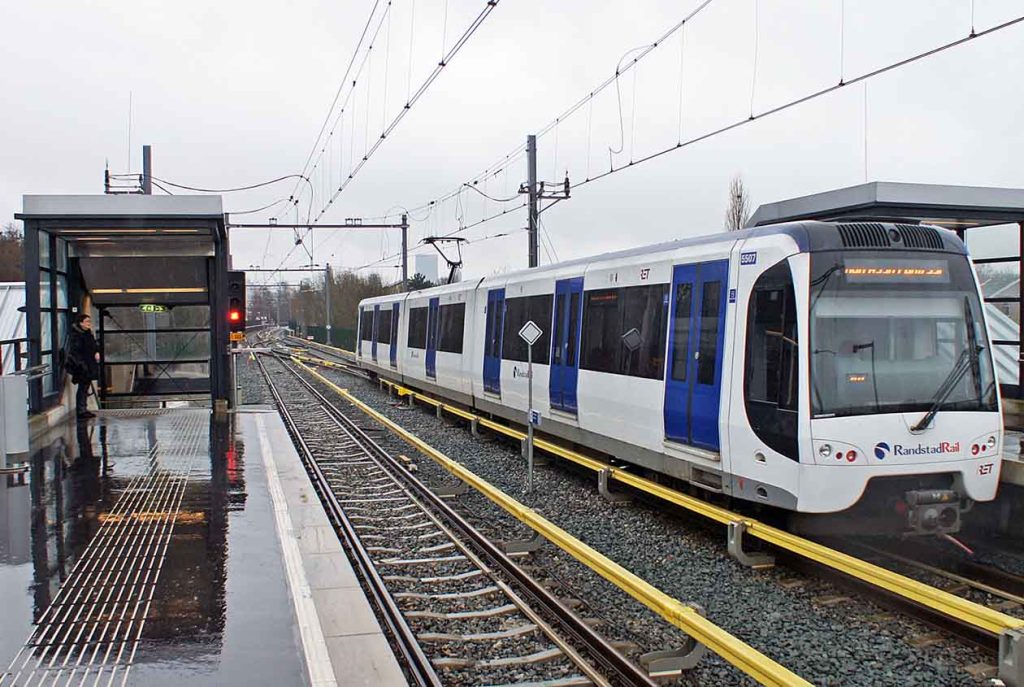
- Rotterdam The Hague Airport: Connects via RandstadRail tram
- Eindhoven Airport: Reached via Bus 400 or 401 from city center
- Groningen Airport: Best accessed by taxi or pre-booked shuttle
3. Luggage Advice
If flying with regional carriers, it’s wise to travel with only carry-on baggage to avoid high check-in fees.
4. Best Time to Fly
Early morning flights are generally less crowded and more punctual. They also leave you with a full day in Amsterdam upon arrival.
A Bird’s-Eye Journey Through Dutch Cities
While the Netherlands is well-known for its extensive rail network and high-speed trains, for those prioritizing efficiency, aerial sightseeing, or exploring different airport experiences, flying between Dutch cities is well worth trying.
Each of the three cities—Rotterdam, Eindhoven, and Groningen—represents a different facet of Dutch culture: modernism, innovation, and rural charm. Their connections to Amsterdam are like distinct “aerial bridges,” each offering its own perspective on the Dutch landscape.
In future travels, I may still default to trains. But this airborne adventure gave me a new way to fall in love with the Netherlands—from above.